Benefits for Pets
Chia isn't just for you — it's an easy fix for something most pet food gets wrong. Here's the Omega-3 gap in your dog or cat's diet, why we'd choose E'LAN over fish oil or flax, and how to work it into the bowl.
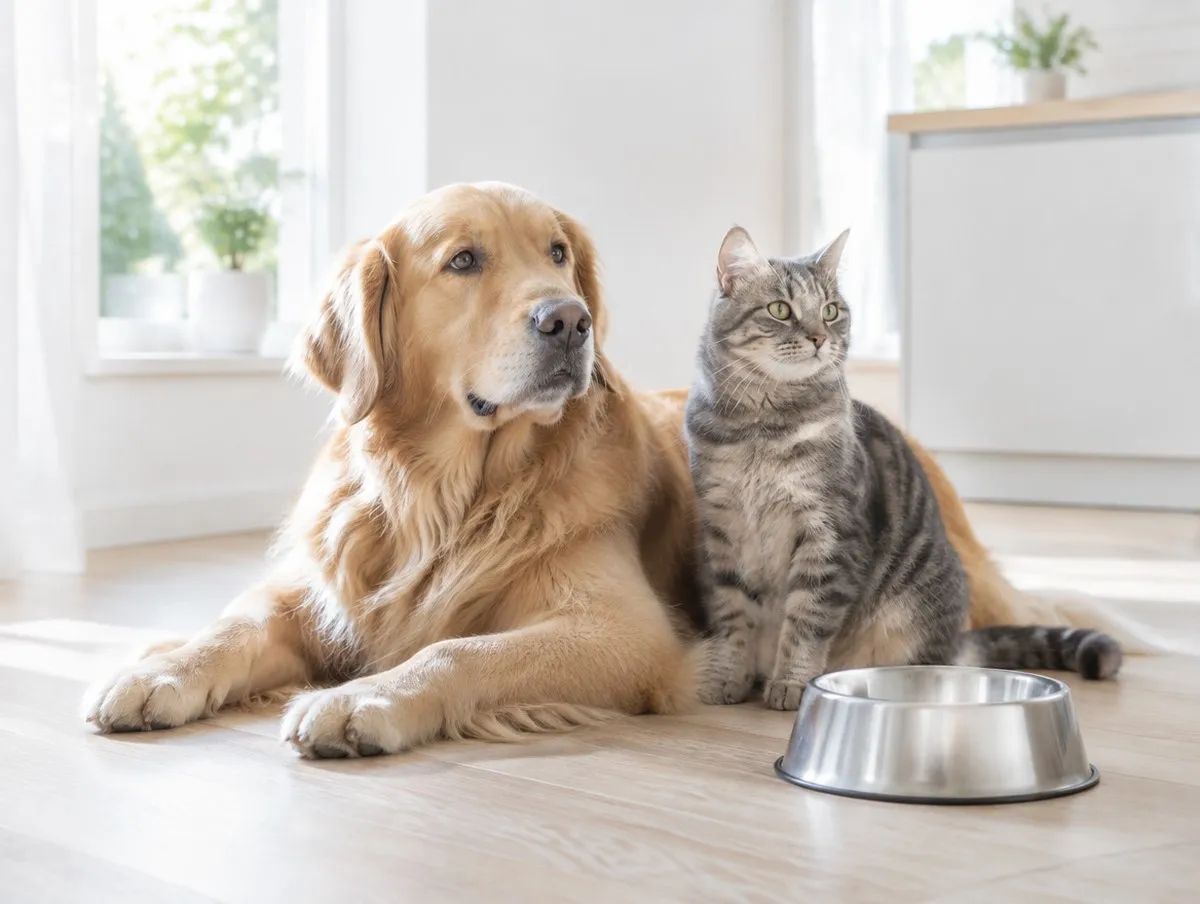
For dogs & cats
The same imbalance,
in a smaller bowl
Pet diets run into the same problem the average North American diet does: too much pro-inflammatory Omega-6, not enough Omega-3. Omega-3s matter for keeping a pet healthy, and they play a part in managing — and helping prevent — a lot of the disease conditions dogs and cats face.
The alternatives
Not fish oil.
Not flax, either.
E'LAN skips all of it: no grinding, no fridge, no smell your pet will fuss over.
Fish oil
Fish and fish oil carry the risk of pollutants and toxins — PCBs, mercury, dioxins — plus the environmental toll of commercial fishing and fish farms.
Flax
Flax has anti-nutritional compounds that can interrupt thyroid function and cut into how much Vitamin B your pet actually absorbs. It also has to be ground fresh, preserved, or kept refrigerated, or it spoils fast.
What Omega-3
can help with
Omega-3s have been linked to real improvement across a long list of common conditions:
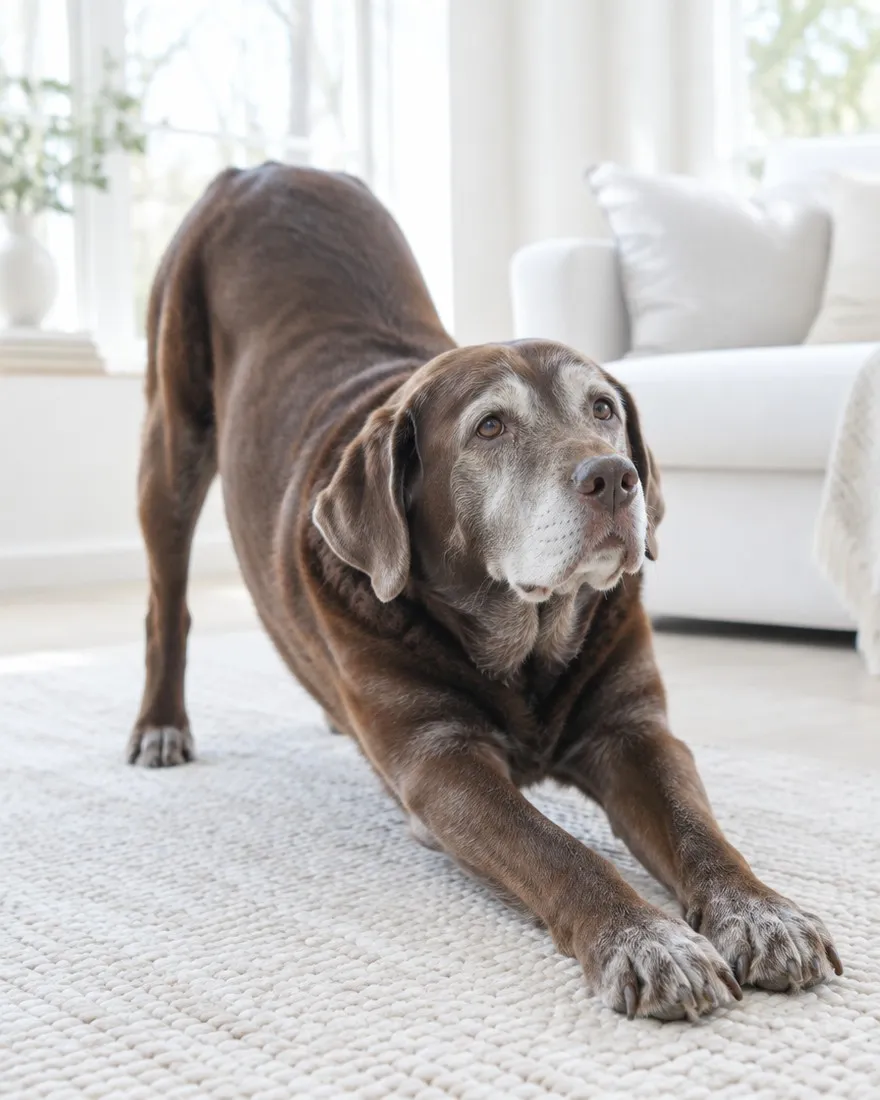
- Canine Cognitive Dysfunction (Doggy Alzheimer's)
- Less house-soiling, more interaction.
- Allergies
- Better skin and coat, less itching and shedding.
- Asthma & chronic bronchitis
- Less inflammation, better airway response.
- Dry eye (KCS)
- More tears, better tear-film stability.
- Arthritis
- Easier to rise, walk, and play, with less stiffness.
- Intestinal disease
- Steadier digestion, fewer hairballs in cats.
- Cardiovascular disease
- Less inflammation, lower clotting risk.
- Diabetes
- Better glucose control, fewer blood-sugar spikes.
- Cancer
- Longer disease-free periods in certain types.
Getting started
How to serve it
Suggested serving sizes, by weight — cats and dogs both, straight off the label.
| Weight | Daily dosage |
|---|---|
| Under 10 lbs | ¾ teaspoon |
| Over 10 lbs | 1–1½ teaspoons |
| Weight | Daily dosage |
|---|---|
| 10–20 lbs | 1–2 teaspoons |
| 20–40 lbs | 1–1½ tablespoons |
| 40–60 lbs | 2 tablespoons(1 scoop) |
| Over 60 lbs | 3 tablespoons(1½ scoops) |
1 kg = 2.2 lbs
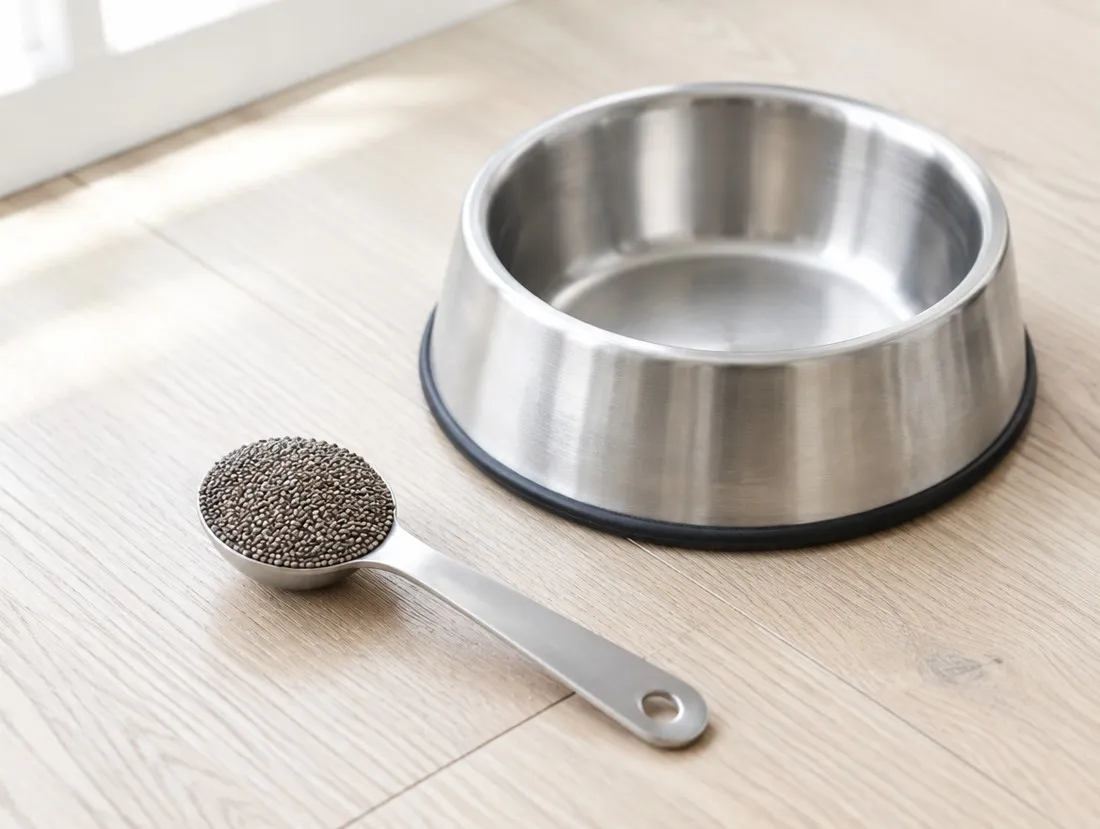
Add E'LAN to the bowl with a splash of water and let it sit for 3 to 5 minutes — it'll thicken into a gel.
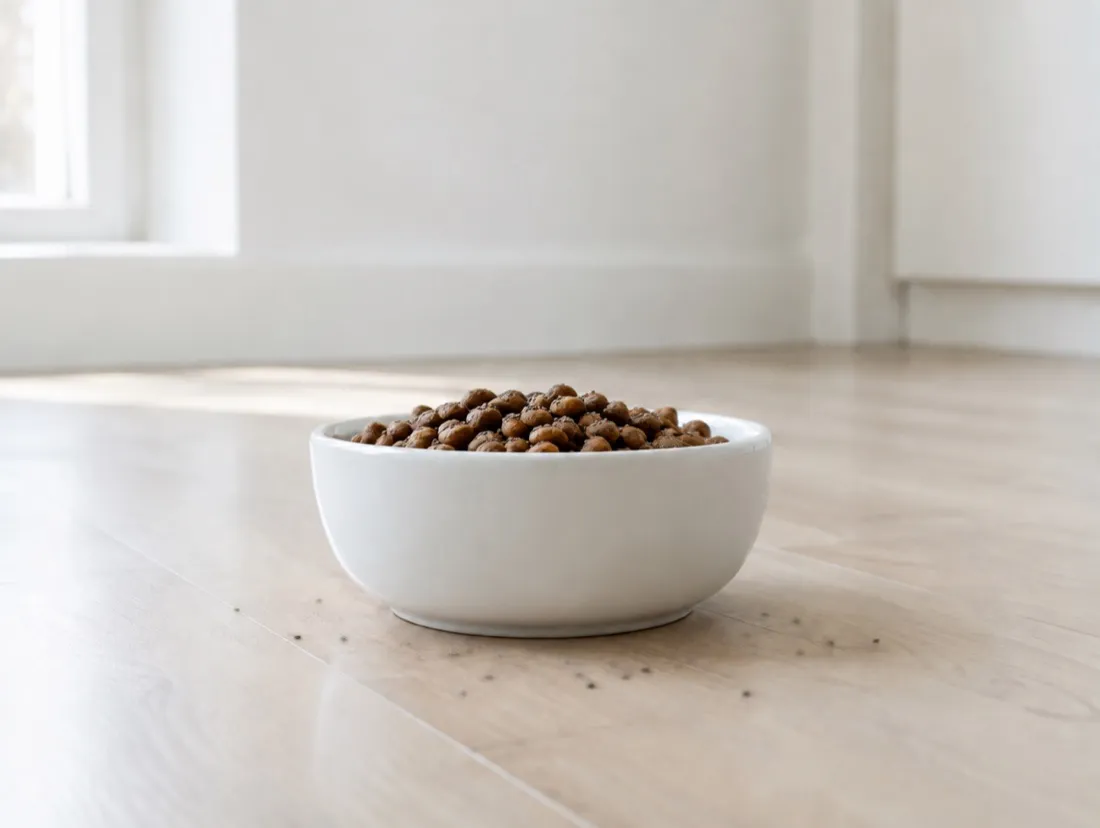
Fold it into wet food, or stir it into dry food so it coats the kibble.
Start at half the daily amount above for the first couple of days, then work up to the full amount.
Keep fresh water down at all times.
If your pet's on medication or being treated for something, check with your vet before you change what's in the bowl.